This is kind of a strange art lesson sort of post for me, because I unfortunately don't have any specific images related to it. So I'll have to wing it, by adding random pics of student art.
Two divergent things led me to write this post today. First of all, in the Facebook Art Teachers group and on the blogs, I often see lots of product-oriented art lessons, including many directed drawing lessons. I'm not saying this is a good thing or a bad thing; it's just something I noticed, that got me thinking about some of the lessons that were my favorites over the years. These lessons were often focused on getting my students to explore their imaginations.
Then, today, another retired teacher friend and I went to the movies to see
Before I Go to Sleep, with Nicole Kidman, and Colin Firth. Without getting into to the movie plot too deeply, let's just say Ms. Kidman plays an amnesiac who wakes each morning with her memory totally erased. A therapist gives her a camera to record her thoughts and memories each day, to help her attempt to recover memories. This plays a pivotal part in the movie plot. When the movie was over, and my friend and I were sitting in the local diner eating a lovely dinner and discussing the film, I said the movie reminded me of a lesson I used to do with my younger students. Considering the twists of the movie plot, my friend was totally befuddled about how this thriller could possibly remind me of a lighthearted kindergarten art lesson! But it did. Here's the lesson, basically:
With my kiddos circled around me, I told them we were taking a trip, using our imaginations. We closed our eyes, imagining it was bedtime, and we were tucked in with our coziest blanket and favorite stuffed toy under our arm. And off we went to sleep. While we were deep asleep, a little alien spacecraft landed outside our window. Inside, the friendly aliens were discussing the celebration on their home planet, and how they wanted to bring some visitors to enjoy the fun, but would have them home in time for breakfast and school the next day. They chose us to go to their celebration, and off we flew through the night. We were given cameras to take pictures of the festivities, and all the creatures/aliens we met, the planet we visited, the space ship we rode in, and more. We had a wonderful time, and tired, we were returned home, back to our cozy beds and stuffed animals before morning. When we woke in the morning, we thought we'd had a crazy dream... until we saw the photos we'd taken!! (This, of course, is the connection to the movie.)
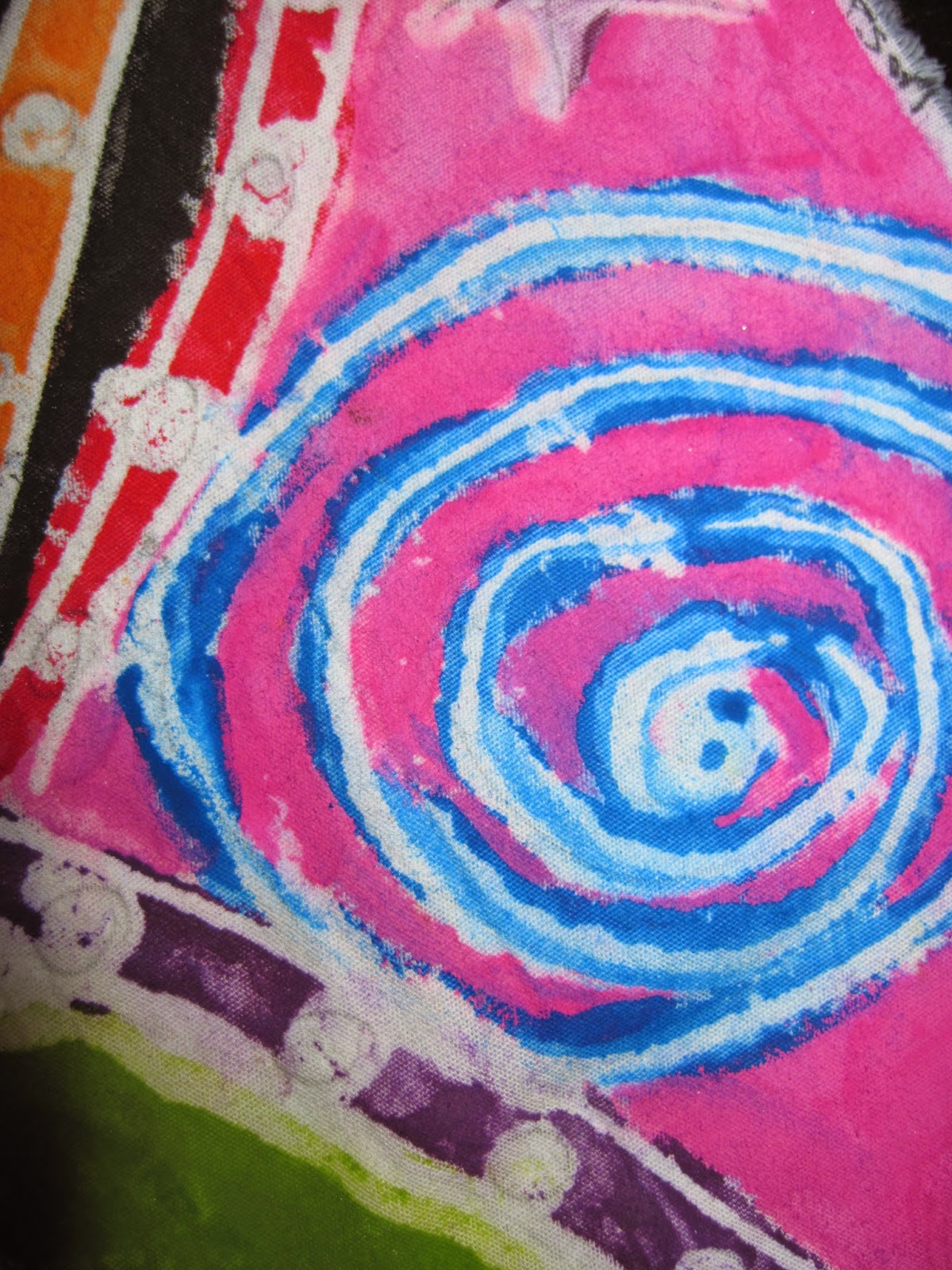
We spent some time sharing what was in our photos before we started our artwork. What did the aliens look like? How many arms? Legs? Eyeballs? Ears?... What color was the sky? How many suns or moons? What did the animals look like? The food? The space ship? And so on. No answer was wrong. I gave them paper, and crayons or markers or whatever drawing or painting material I selected that year, and their charge was to draw their photos, and then to share the story of their artwork. Very few rules (for example: no blood, no weapons; these were NICE aliens.) I absolutely did NOT show them an exemplar. I wanted the ideas to be THEIRS.
Above, a couple of aliens on school pictures; fun lesson idea courtesy of Mr. E.
Anyhow - the point of my lesson was not to show everyone how to draw an alien. The point, of course, was to encourage imaginative thinking. I wanted the kids to learn to trust their own ideas. There were no wrong ideas. I did, of course, expect them to use their best effort, and I used open-ended questions as I circulated, to encourage them to explore their imagination and develop their ideas. For kids doing simple line drawings, perhaps I would ask "what color skin does your alien have? what color is the sky?" and so on... For kids without much detail, I would ask questions such as "How does your alien move? (legs and feet? Or does he have fins? Or wings? Or wheels?)" or "Where was the celebration? What did it look like? What kid of food did you eat? Were there any animals or trees or houses? " and so on... Or simply "Can you tell me about your picture?"
Do you have favorite lessons that encourage imaginative thinking? I'd love your thoughts on this type of lesson!
For a few other lessons that encourage imagination, check out my
3rd grade painting/collages of the voyages of Sinbad the Sailor, or perhaps my
Not a Box, Not a CD lessons for lower elementary, or maybe my
2nd graders' 'Texture Fauves'.


